




Filipino Catholic weddings are like a fiesta of love, tradition, and YOU! Every detail, from the flowy veil to the lucky coins (arras!), is bursting with cultural and spiritual significance. But these aren’t just fancy decorations, as each of them stems from generations of beliefs and traditions. Let’s explore how these timeless symbols bring extra joy and meaning to your big day!
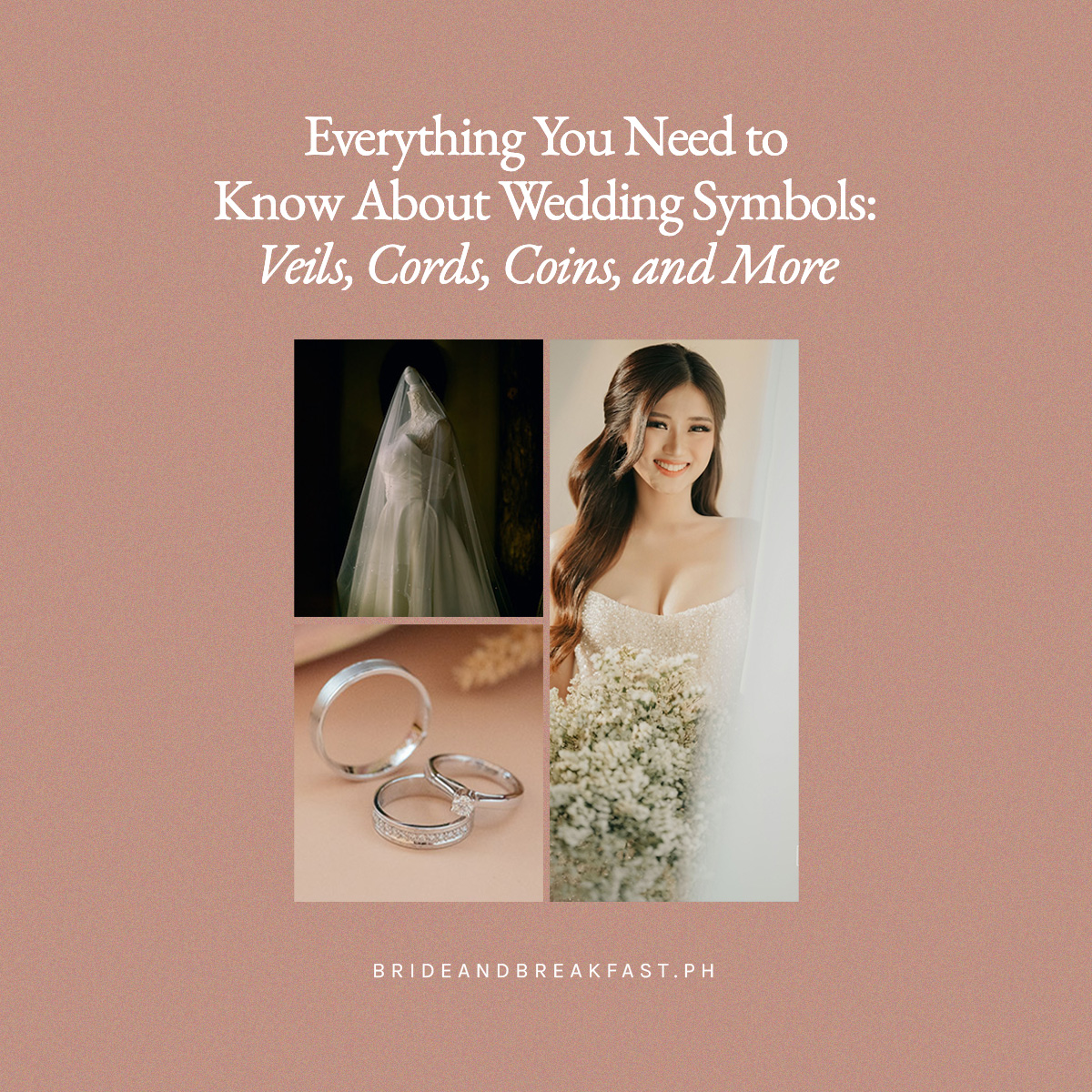

Originally, veils were meant to protect the bride from evil spirits and symbolize purity. Today, the veil remains a powerful emblem of a bride’s transformation and readiness for a new chapter in life. It’s the quintessential bridal accessory that, whether long and flowing or short and sweet, frames the bride in a moment of timeless tradition.
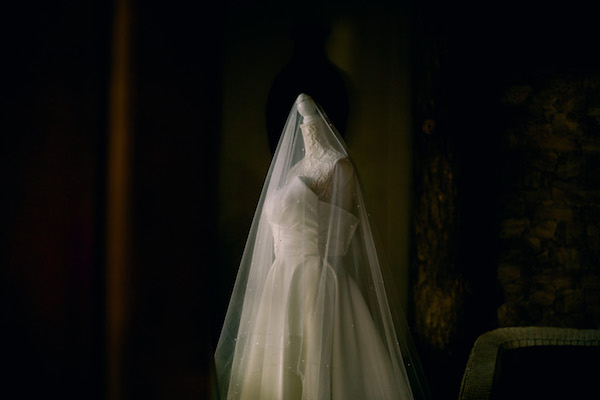

The unity cord is a visually striking symbol used during the ceremony to represent the couple’s binding together. Draped in a figure-eight, it signifies infinity—a limitless future together. It’s a beautiful way to show their commitment to always be there for each other, no matter what life throws their way.

The custom of gifting 13 coins, or arras, has deep symbolic importance. These coins stand for the groom’s trust and responsible pledge to provide for his bride financially. The number 13, which represents Jesus and his apostles, represents the spiritual side of marriage.

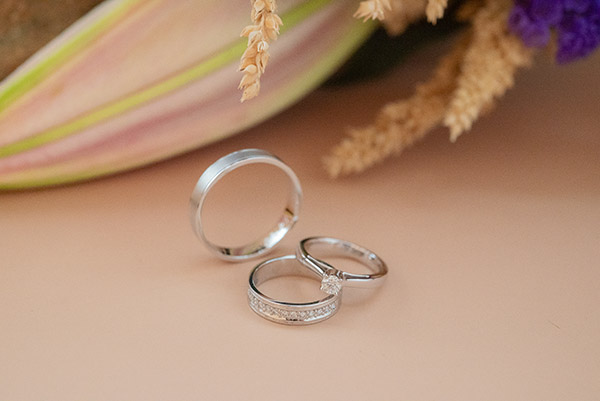
Ah, the wedding ring—probably the most recognized symbol of marriage worldwide. This little band is mighty in meaning: Eternal love, no beginning and no end. Traditionally worn on the fourth finger of the left hand, believed to connect directly to the heart, the ring is a constant reminder of the vows and emotional bond shared between the couple.

The unity candle ceremony is a moving and symbolic representation of two lives coming together to form one single, cohesive being. To symbolize the coming together of their distinct lives, each partner lights a single, larger candle using their own individual candles. This gesture honors each person’s individuality as well as their oneness, recognizing that even as they come together as one, they will always be true to who they are.

The Bible plays a central and cherished role, seamlessly blending faith with matrimonial joy. It often graces the ceremony, carried down the aisle with reverence, sometimes by a Bible bearer or a dear family member. It’s not just there for the readings, because it also plays a key role as a dignified resting place for the wedding rings, blessing them before they join the couple’s hands.

The bouquet and garter toss have come a long way from their origins as spirit-repelling rituals, thanks to their vibrant colors and scents. These days, they’re the life of the party at weddings, injecting a fun and festive vibe into the celebration. Tossing the bouquet and garter isn’t just about tradition—it’s about passing on a bit of wedding day luck and love to the single folks in the crowd, hoping they’re next in line for a walk down the aisle.

As you plan your Filipino Catholic wedding, remember that each traditional element you choose adds a layer of depth and connection to your ceremony. So embrace these traditions with joy and pride as you make your day both memorable and deeply meaningful. Happy planning!